

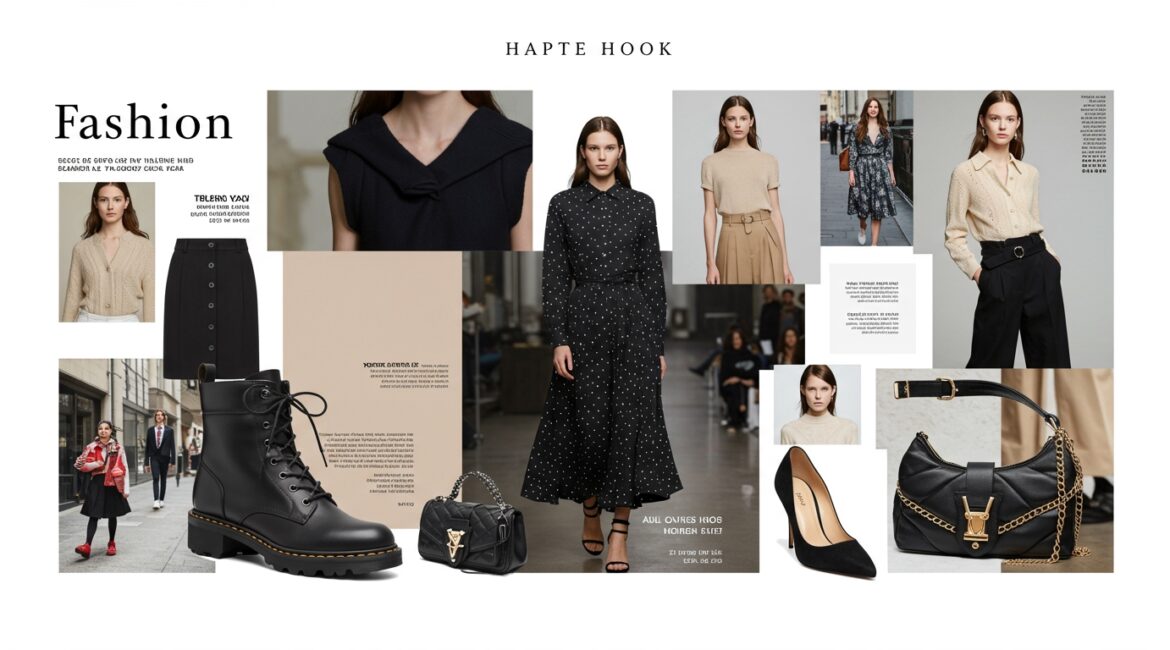
Fashion, often perceived merely as fleeting trends or seasonal collections, is in reality a profound cultural phenomenon that reflects societal values, individual identity, economic shifts, and technological advancements. Far more than just clothing, it serves as a powerful form of non-verbal communication, a dynamic art form, and a multi-billion-dollar global industry. Understanding fashion requires delving deeper into its historical roots, its psychological impact, and its ongoing evolution in a rapidly changing world.
The Historical Tapestry of Fashion: From Utility to Expression
The journey of fashion began with basic human necessity—protection from the elements. However, it quickly evolved to signify status, power, and belonging. From the elaborate regalia of ancient civilizations to the intricate garments of the European aristocracy, clothing has always mirrored the social hierarchies and aesthetic preferences of its time.
- Ancient Eras: Practical garments evolving into symbols of wealth and social standing.
- Medieval to Renaissance: Fashion becoming more complex, reflecting religious beliefs and burgeoning artistic movements.
- Industrial Revolution: Mass production democratized fashion, making stylish clothing accessible to a wider populace.
- 20th Century Revolutions: From haute couture to ready-to-wear, and the explosion of diverse subcultures, each decade brought distinct silhouettes and societal statements.
Each historical period brought with it unique fabrics, silhouettes, and cultural influences, cementing fashion’s role as a living document of human history and aspiration.
Fashion as a Form of Self-Expression and Identity
Perhaps one of fashion’s most compelling aspects is its role in self-expression. Personal style is a powerful, non-verbal communicator that allows individuals to curate their image and present themselves to the world. It conveys personality, mood, beliefs, and aspirations without uttering a single word.
- Individuality: Fashion enables the creation of a unique aesthetic, a personal brand that sets individuals apart.
- Belonging: Adopting certain styles can express affiliation with specific subcultures, communities, or social movements.
- Empowerment: Dressing in a particular way can evoke confidence, project authority, and influence how one is perceived.
It is through fashion that many find a voice, articulating aspects of their identity that words alone might not capture.
The Global Fashion Industry: A Complex Ecosystem
The modern fashion industry is a vast and intricate global network, encompassing everything from initial design concepts to manufacturing, marketing, and retail. It is a highly competitive and dynamic sector constantly responding to consumer demands and global trends.
Key Players and Segments
- Designers & Brands: Ranging from exclusive haute couture houses to accessible mass-market brands.
- Manufacturers: A complex global supply chain, often involving production hubs in developing countries.
- Retailers: Diverse models including brick-and-mortar stores, e-commerce platforms, and direct-to-consumer brands.
- Media & Influencers: Magazines, fashion critics, and increasingly, social media influencers who shape perceptions and drive trends.
Challenges and Innovations
The industry faces significant challenges, including the environmental impact of fast fashion, ethical labor concerns, and the need for rapid adaptation to changing consumer behaviors. Simultaneously, it is ripe with innovation, leveraging technology for everything from 3D design and virtual try-ons to AI-driven trend prediction and sustainable material development.
The Dawn of Sustainable and Ethical Fashion
Growing global awareness of environmental degradation and social inequalities has pushed sustainability and ethics to the forefront of the fashion discourse. The traditional linear model of production, consumption, and disposal is being challenged by a demand for more responsible practices.
- Eco-friendly Materials: A shift towards organic cotton, recycled synthetics, biodegradable fabrics, and innovative plant-based alternatives.
- Circular Economy: Designing products for longevity, repair, reuse, and ultimately, recycling, minimizing waste.
- Ethical Production: Ensuring fair wages, safe working conditions, and transparency throughout the supply chain.
Consumers are increasingly seeking brands that align with their values, making sustainability a key differentiator and a powerful driver for industry-wide transformation.
Fashion in the Digital Age: Influence and Accessibility
The advent of social media and digital platforms has profoundly democratized fashion. Trends now emerge and dissipate at an unprecedented pace, often driven by a decentralized network of influencers rather than traditional fashion gatekeepers. E-commerce has made global fashion accessible to virtually anyone, anywhere, while personalization algorithms offer tailored recommendations.
This digital transformation has fostered a new era of fashion democracy, empowering individuals to discover, share, and express their style in ways previously unimaginable.
Conclusion
Fashion remains a dynamic, influential, and ever-evolving force. It is a narrative woven with threads of history, identity, commerce, ethics, and technology. As we navigate the complexities of the 21st century, fashion will continue to reflect and shape our world, demanding greater consciousness, creativity, and responsibility from both its creators and its consumers. It is a testament to human ingenuity and our enduring desire for expression and connection.
