

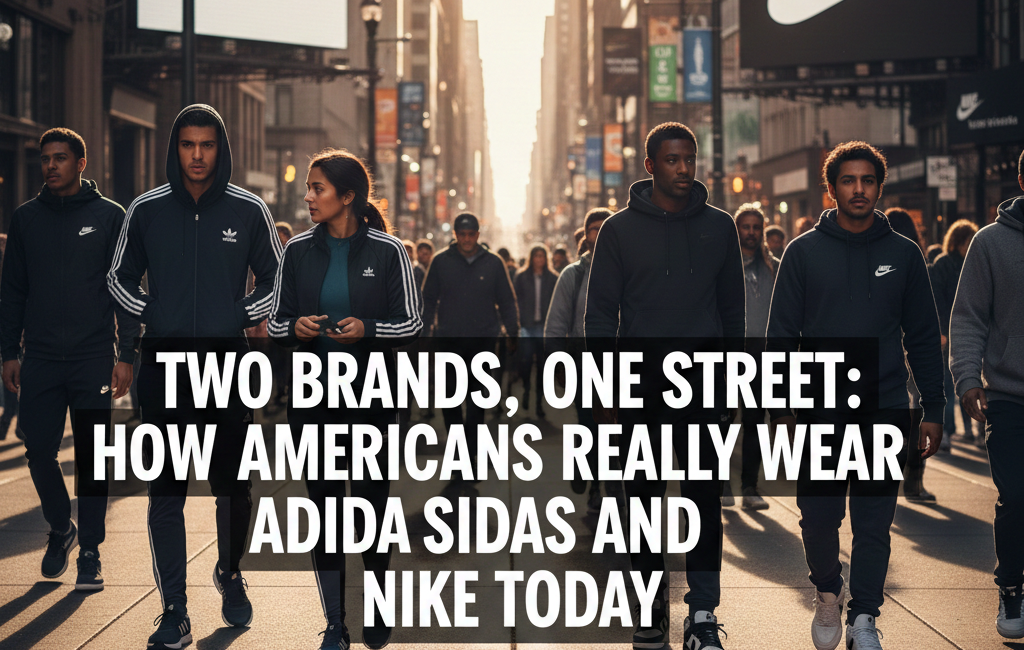
In the landscape of American streetwear culture, few rivalries loom as large as Adidas vs. Nike. For decades, these two brands have battled not just on the court or the track, but in the streets, schools, workplaces, and social lives of everyday Americans. Today, this competition isn’t just about performance or price—it’s about identity, self‑expression, community, and the way people blend sport with style.
In this article, we explore how people across the United States really wear Adidas and Nike. We’ll break down who’s wearing what, why they choose one over the other, and how these choices reflect larger cultural trends. We’ll look at sneakers, apparel, collaborations, regional differences, and the real stories from communities where both brands live side by side. 🧵👟
1. A Tale of Two Brands: A Quick Look at Adidas and Nike
Nike: Born to Perform, Loved for Style
Nike, founded in 1964, built its reputation on performance innovation—think Air technology, Zoom cushioning, and sweat‑wicking apparel. But Nike quickly evolved beyond the track into a culture brand. Streetwear, music videos, pro athletes, and big ad campaigns helped Nike become the household name for sporty style. 🏃♂️🔊
Nike’s swoosh is simplicity with punch. It signals athletic performance, yes, but also couture‑adjacent buzz. It’s equally at home on a high school basketball court and an urban coffee shop. ☕👟
Adidas: Classic Roots, Modern Cool
Adidas is older than Nike, with a heritage rooted in European sport. The three stripes started as a performance marker, but over the years became a cultural badge. Adidas taps into nostalgia and global style—think soccer culture, skate communities, and retro sneakers like the Samba or Gazelle. ⚽🇩🇪
Collaborations with designers and musicians (like Kanye West’s Yeezy era) lifted Adidas beyond utilitarian gear into fashion territory. Now Adidas balances performance DNA with city‑street aesthetics. 🎤✨
2. Sneakers on the Street: What People Are Really Wearing
Sneakers are where the rubber hits the road—literally. Americans wear Adidas and Nike in surprising ways, often blending performance tech with everyday outfits.
Nike Sneaker Culture
Nike’s sneaker dominance in the U.S. is still massive. Classic models like the Air Force 1, Air Jordan 1, Air Max 90, and Dunk are more than shoes—they’re cultural icons. 👟🔥
- Air Force 1: Worn by teens and adults alike with everything from jeans to dresses. It’s a streetwear staple.
- Air Jordan 1: Obsessed‑over by enthusiasts, resellers, and folks who just love the retro vibe.
- Dunks: Skateboarders, sneaker collectors, and trend followers alike adopt the Dunk’s chunky silhouette.
Nike’s collaborations (Travis Scott, Off‑White, Sacai, and more) create hype cycles that fuel drop culture. People camp out, refresh apps, and trade pairs like limited‑edition art. 📱🎨
Adidas Sneaker Scene
Adidas holds its own with a blend of classics and hype.
- Adidas Originals (Samba, Gazelle): Loved for everyday wear. They pair with chinos, skirts, and even business‑casual outfits.
- UltraBoost: Performance runners that crossed into lifestyle wear because they’re absurdly comfortable.
- Yeezy: Though controversial at times, the Yeezy line pushed Adidas into fashion limelight in a way few expected.
Adidas sneakers feel wear‑and‑go. Their lines don’t chase every trend, but when they hit, they stick. Think understated silhouettes that become wardrobe staples. 👟🕶️
3. Everyday Style: How People Balance Sport and Street
Most Americans don’t dress head‑to‑toe in brand logos. Instead, they mix and match. That’s where the real lifestyle story happens.
Nike in Daily Wear
Nike is everywhere—workouts, errands, social outings.
- Gym to Grocery Store: Nike leggings and a Dri‑Fit tee transition seamlessly.
- Casual Days: Pair Air Force 1s with joggers and a denim jacket for weekend errands.
- Street Style: Throw on a Nike windbreaker over a tee dress for an edgy yet effortless look.
Nike’s strength is versatility. Even athletes who aren’t “brand loyal” often keep at least one Nike piece in rotation because it just works with everything. 🧢👕
Adidas in Daily Wear
Adidas skews a bit more classic in everyday fashion.
- Low‑Key Cool: White Sambas with cuffed trousers is a laid‑back but polished staple.
- All‑Day Comfort: UltraBoost or NMD with casual shorts or jeans feels intentional but not try‑hard.
- Retro Flair: People who grew up in the ’90s or early 2000s often return to Gazelles or Superstars. There’s nostalgia baked into the look.
Adidas outfits often signal quiet confidence—effortless cool, not overt flash. 🎒👖
4. Regional Flavor: How Geography Shapes Brand Choices
Brand popularity varies across cities and regions. The reasons are cultural, historical, and community‑driven.
Urban Centers
Cities like New York, Los Angeles, Chicago, and Atlanta are melting pots for sneaker and streetwear culture.
- New York: Nike thrives, but Adidas holds strong in boroughs with deeper soccer and hip‑hop influences.
- LA: Nike’s athletic vibe meshes with fitness culture. But Adidas gets heavy play in skate and indie fashion circles.
- Chicago: Bulls heritage boosts Air Jordans. Adidas still shows up in classic retro lines.
In cities, both brands coexist, and many fashion communities treat them as tools—chosen based on outfit mood, not brand allegiance. 🏙️👟
College Towns
College campuses are hybrid zones—students choose what feels authentic.
- Nike’s performance gear dominates workout and athleisure.
- Adidas’ classic silhouettes do well in everyday campus life.
On a typical campus, you’ll see both brands mixed with thrifted finds, indie labels, and DIY style statements. 🎒📚
Suburban and Rural Areas
Here, practicality often trumps hype.
- Nike choices skew toward running shoes, basketball models, and school‑friendly styles.
- Adidas appears mostly in classic shoes like Superstars or lifestyle lines that go well with casual clothes.
People here lean on what’s comfortable and durable for work, play, and family life. 🛣️👟
5. Gender and Style: How Adidas and Nike Fit Individual Expression
Sneakers and sportswear aren’t gender‑ed wardrobes. Both brands now lean into inclusive design and sizing, and Americans wear them however they like.
Women’s Wear
Women mix Nike and Adidas based on comfort and style.
- Nike: Leggings, crop tops, Air Max or Dunks with dresses or skirts. A lot of women lean into sportwear as fashion.
- Adidas: Classic sneakers with high‑waist trousers and oversized tees or jackets feels grounded and chic.
Both brands show up in gym, leisure, and night‑out outfits equally. 👩🦰👟
Men’s Wear
Men often wear these brands in hybrid looks.
- Nike joggers with button‑downs.
- Adidas track pants with sneakers and casual coats.
Men mix athletic and streetwear freely, leaning into comfort without losing style. 👨🦱🧥
Nonbinary & Gender‑Fluid Expression
Sneakers and sportwear are one of the few categories where gender norms blur. People choose shapes and fits that reflect identity, not marketing categories. Both brands have been expanding size ranges and unisex styles to match. 🌈👟
6. What Americans Value Most: Comfort, Community, Identity
Why do people pick Adidas or Nike? It’s not just the logo. There are deeper emotional and cultural drivers at play.
Comfort Is King
People wear athletes’ apparel because it feels good.
- Soft fabrics matter.
- Stretch and movement matter.
- Sneakers you can walk in all day matter.
That’s one reason both brands stay so relevant. They deliver honest comfort without sacrificing style. 🛋️👟
Community and Belonging
For many, a brand choice signals a community.
- Nike aligns with running groups, basketball pickup games, and gym culture.
- Adidas often ties into soccer, skate communities, and retro fashion circles.
Wearing one or the other isn’t always a statement—it can be a way to tap into a social circle or lifestyle. 🤝👟
Identity and Self‑Expression
Some people are die‑hard Nike fans, others Adidas loyalists. Most aren’t that extreme—they just know what feels right on their feet and in their wardrobe.
Brands become markers of personal identity, but individuals still control how they mix them with other pieces in their closet. 🎭👕
7. Collaboration Culture: Why Drops and Collabs Matter
Modern streetwear thrives on collaboration. Nike and Adidas both do limited drops, but their approaches differ.
Nike Collaboration Strategy
Nike works with designers, artists, and high‑profile creatives:
- Off‑White x Nike reimagined classic silhouettes with deconstructed details.
- Nike x Travis Scott added unique colorways and branding twists.
Nike’s collabs create hype cycles that get people talking, waiting, and often reselling pairs. ⚡📈
Adidas Collaboration Strategy
Adidas has partnered with designers and musicians who bring distinct aesthetics:
- Collaborations emphasize minimalism, texture, and European flair.
- The Yeezy era redefined sneaker hype in a quieter, more fashion‑centric way.
Adidas collabs often feel more lifestyle‑oriented than just hype‑focused. 🧠🎧
8. Price, Accessibility, and Perception
Pricing influences how Americans wear these brands.
- Nike ranges from budget‑friendly basics to high‑end collabs.
- Adidas also spans affordable classics to premium releases.
Availability plays a role too. Nike’s retail footprint is broader in the U.S., making it easier for many to pick up a pair on impulse. Adidas sometimes feels more selective, which can heighten its niche appeal. 💸👟
9. The Resale Market: Sneaker Culture Economy
Sneaker resale is huge. Limited Nike drops often hit secondary markets where prices soar. Adidas collabs and Yeezys have similar resale dynamics.
People aren’t just buying shoes—they’re investing in what might become collectible assets. This has changed how people think about sneakers: they’re footwear and cultural artifacts. 💰👟
10. Future Trends: What’s Next for Both Brands
Looking forward, Adidas and Nike are evolving together with culture.
- Sustainability: Both brands are pushing recycled materials and eco‑friendly lines.
- Tech integration: Smart shoes, new cushioning tech, and performance analytics.
- Community‑driven design: Crowdsourced ideas and subculture collaborations.
American style keeps moving. As long as movement matters—physical and cultural—both brands will stay part of the conversation. 🌎👟
