
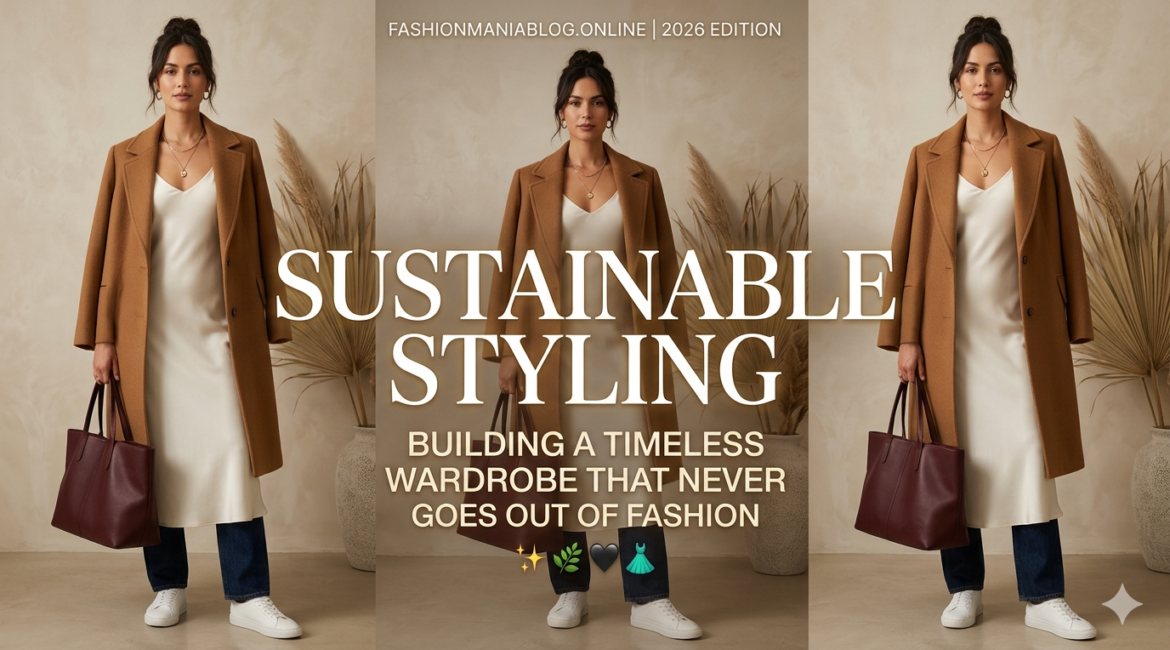
In an era where trends move at the speed of a fiber-optic connection, the true mark of a style icon isn’t how fast they shop, but how well they choose. We are currently witnessing a massive shift in the global fashion landscape. The allure of “fast fashion”—with its cheap thrills and fleeting silhouettes—is fading. In its place, a more sophisticated, intentional approach is rising: Sustainable Styling. This isn’t just about saving the planet; it’s about reclaiming your personal identity from the noise of overconsumption. By focusing on a timeless wardrobe, you aren’t just buying clothes; you are curating a legacy of elegance that remains relevant whether it’s 2026 or 2046. 🌿👗
The Philosophy of “Less is More” in 2026 🖤
The foundation of a timeless wardrobe begins with a mindset shift. For years, the industry pushed the idea that variety equals style. However, the most influential figures in fashion today are moving toward minimalism. Moreover, the environmental cost of disposable clothing has become impossible to ignore. Consequently, high-end consumers are pivoting toward pieces that offer longevity over “likes.”
Building a sustainable wardrobe means prioritizing quality over quantity. Instead of buying ten low-cost shirts that lose their shape after three washes, the modern approach dictates investing in one high-grade organic cotton or silk piece. Therefore, the “Less is More” philosophy is both a financial strategy and a stylistic signature. It allows you to focus on the craftsmanship, the fabric’s drape, and the precision of the fit.
Transitioning from Fast Fashion to Conscious Curation 🚀
Moving away from the fast fashion cycle can feel overwhelming, especially when social media feeds are constantly updating with new “must-haves.” However, the transition is simpler than it looks. Start by auditing what you already own. Most people only wear 20% of their wardrobe 80% of the time.
Identifying these “hero pieces” is the first step toward conscious curation. These are the items that make you feel confident and comfortable. Once you recognize your personal “uniform,” you can begin to fill the gaps with sustainable alternatives. Meanwhile, avoid the temptation of “micro-trends”—those hyper-specific aesthetics that disappear within months. Instead, look for silhouettes that have stood the test of time, such as the tailored blazer or the perfect straight-leg trousers.
The 5 Pillars of a Timeless Wardrobe 🏛️
To build a wardrobe that never goes out of style, you must focus on five essential pillars:
- Neutral Palette: Bases in black, white, camel, and navy provide endless mixing opportunities.
- Fabric Integrity: Prioritize natural fibers like wool, linen, silk, and Tencel.
- Tailoring: A perfect fit is the difference between a “garment” and “fashion.”
- Versatility: Every new purchase should be able to create at least three different outfits with items you already own.
- Ethical Production: Support brands that offer transparency in their supply chain.
Mastering the Art of Seasonal Layering 🧥
Sustainability doesn’t mean wearing the same thing in the same way every day. It means using layering to make your core pieces work across all seasons. A high-quality silk slip dress, for example, is a summer staple. However, by adding a cashmere turtleneck underneath and a structured coat on top, it becomes a winter masterpiece.
This versatility is key to maintaining a small but powerful closet. In addition, investing in high-quality outerwear is one of the smartest sustainable moves you can make. A well-constructed trench coat or a heavy wool overcoat can last decades. Consequently, these pieces become the “anchor” of your style, allowing you to experiment with smaller accessories while keeping the overall look classic.
Celebrity Inspiration: The Icons of Longevity 🌟
We often look to celebrities to see what’s “new,” but the real style lessons come from those who stick to a signature look. Think of the “Old Money” aesthetic or the “Quiet Luxury” movement that has dominated the mid-2020s. Icons like Rosie Huntington-Whiteley or Victoria Beckham rarely chase neon trends; instead, they lean into impeccable tailoring and tonal dressing.
Their secret lies in the repetition of excellence. They aren’t afraid to be seen in the same coat more than once. In fact, wearing a piece repeatedly is now seen as a status symbol—it shows you have found something worth keeping. This shift in celebrity culture is a massive win for sustainability, as it encourages fans to value their belongings rather than discard them.
The Step-by-Step Guide to Your Wardrobe Audit 📝
If you are ready to start your sustainable journey today, follow these actionable steps:
- Step 1: The Empty-Out. Remove every single item from your closet.
- Step 2: The “Joy & Utility” Test. Does the item fit? Is it in good repair? Have you worn it in the last year? If the answer is no, it’s time to donate, sell, or upcycle.
- Step 3: Identify the Gaps. Look at what’s left. Do you have a white button-down? A pair of dark-wash jeans? A versatile blazer?
- Step 4: Create a “Wish List.” Instead of impulse shopping, write down the 3-5 high-quality pieces you actually need.
- Step 5: Research Brands. Look for B Corp certifications or brands that use deadstock fabric.
Fabric Insights: Why Material Matters More Than Brand 🧶
A logo means nothing if the fabric is polyester that will pill and scratch within weeks. Sustainable styling requires a basic understanding of textiles. Linen, for instance, is one of the oldest and most durable fabrics in the world; it actually gets softer with age.
On the other hand, synthetic fibers like nylon and acrylic are essentially plastic. They don’t breathe, and they shed microplastics into the water system every time they are washed. By choosing organic cotton or hemp, you are choosing a garment that feels better against your skin and lasts significantly longer. Therefore, always check the inner care tag before heading to the checkout.
7 Trending Sustainable Products to Invest in 2026 🛍️
1. The Recycled Wool Overcoat
A heavyweight, structured coat made from reclaimed wool fibers. It offers the same warmth and luxury as virgin wool but with a fraction of the environmental footprint.
- Benefits: Exceptional warmth, wind-resistant, and naturally odor-repellent.
- Styling: Pair with a hoodie for a modern American loungewear style or over a suit for the office.
- 2026 Trend: Oversized “power” shoulders are back, making this a timeless yet relevant choice.
2. Vegan Apple Leather Tote
Luxury no longer requires animal hides. Apple leather is a durable, waterproof alternative made from the leftovers of the juice industry.
- Benefits: Cruelty-free, lightweight, and highly resistant to scratches.
- Styling: The perfect daily driver for tech and essentials.
- 2026 Trend: Practicality is the new luxury; large totes are replacing micro-bags.
3. Organic Silk Slip Dress
A “forever” piece that works for weddings, dates, or even casual weekends when layered correctly.
- Benefits: Temperature regulating and hypoallergenic.
- Styling: Wear with strappy heels for evening or sneakers and a denim jacket for day.
- 2026 Trend: Part of the luxury lounge sets the USA aesthetic, where comfort meets high fashion.
4. Tencel Lyocell Button-Down
Softer than silk and cooler than linen, Tencel is made from sustainably sourced wood pulp.
- Benefits: Incredible drape and moisture-wicking properties.
- Styling: Tuck into high-waisted trousers for a sharp, professional look.
- 2026 Trend: Earthy, undyed tones are dominating the “Naturalist” fashion movement.
5. Biodegradable Sneakers
Footwear is notoriously hard to recycle, but 2026 has brought us sneakers made from sugarcane and natural rubber that can actually compost.
- Benefits: High comfort with zero waste.
- Styling: Goes with literally everything in a timeless fashion pieces collection.
- 2026 Trend: The “Clean Girl” aesthetic has evolved into the “Green Girl” aesthetic.
6. Raw Denim Straight-Leg Jeans
Unlike pre-distressed jeans, raw denim is meant to be broken in by you, creating a custom fit and fade over the years of wear.
- Benefits: Extremely durable; these can easily last 10+ years.
- Styling: Double denim (the Canadian Tuxedo) is a major pillar of urban women’s fashion in 2026.
- 2026 Trend: A shift away from “disposable” stretchy denim toward rigid, authentic cotton.
7. Upcycled Gold Vermeil Hoops
Jewelry should be as sustainable as your clothes. Upcycled gold uses existing precious metals to create new, stunning designs.
- Benefits: Tarnish-resistant and affordable luxury.
- Styling: The final touch to any “Quiet Luxury” outfit.
- 2026 Trend: Bold, chunky sculptural shapes are the primary accessory trend this year.
Common Fashion Mistakes to Avoid ❌
The biggest mistake people make is buying something just because it’s on sale. A “deal” isn’t a deal if you never wear the item. Another common pitfall is ignoring care instructions. Sustainable styling includes maintenance; learning how to properly wash, de-pill, and store your clothes will double their lifespan.
Moreover, avoid “greenwashing.” Just because a brand has a green leaf on its tag doesn’t mean they are sustainable. Always look for third-party certifications. Meanwhile, don’t feel like you have to replace your entire wardrobe at once. The most sustainable garment is the one already in your closet.
Shopping Tips for the Conscious Consumer 🛒
When you do decide to buy, Secondhand First.” Platforms for resale have exploded in popularity, offering designer goods at a fraction of the price. If buying new, use the “30-Wear Rule.” Ask yourself: “Will I wear this at least 30 times?” If the answer is no, put it back.
In addition, support local artisans. Small-batch production often means higher quality and a lower carbon footprint. Therefore, your wardrobe becomes a collection of stories rather than just a pile of fabric.
Conclusion: Your Style, Your Legacy ✨
Building a timeless, sustainable wardrobe is an act of rebellion against a culture that tells us we are never “enough” without the latest trend. It is about finding confidence in consistency and in the beauty of quality. By choosing pieces that last, you are simplifying your life, saving money in the long run, and protecting the world we live in.
Remember, fashion is what you buy, but style is what you do with it. Your wardrobe should be a reflection of your values—strong, enduring, and uniquely yours. Start small, choose well, and watch as your “timeless” collection becomes your greatest fashion statement yet. Stay stylish, stay conscious! 🌸
FAQ Section 💡
1. Is sustainable fashion more expensive? Initially, yes, the price per item is higher because workers are paid fairly and quality materials are used. However, because these items last years longer than fast fashion, the “cost per wear” is significantly lower.
2. How can I tell if a brand is truly sustainable? Look for transparent supply chains, B-Corp certifications, and the use of organic or recycled materials. Apps like “Good On You” are also great for checking brand ratings.
3. What are the best fabrics for a timeless wardrobe? Stick to natural fibers: Organic cotton, linen, silk, wool, and hemp. These materials age gracefully and are much more breathable than synthetics.
4. Can I still follow trends while being sustainable? Absolutely! The key is to incorporate trends through secondhand purchases rather than rebuilding your entire wardrobe every season.
5. How do I maintain my clothes to make them last longer? Wash less frequently, use cold water, air dry when possible, and invest in a good steamer and a fabric shaver to keep items looking new.
6. What is “Quiet Luxury”? It’s a style focused on high-quality, logo-free garments that look expensive due to their fit and fabric rather than flashy branding. It’s the ultimate sustainable aesthetic.
7. Where can I donate clothes I no longer want? Look for local textile recycling programs, reputable charities, or use resale platforms like Poshmark or Depop to give your clothes a second life.
