
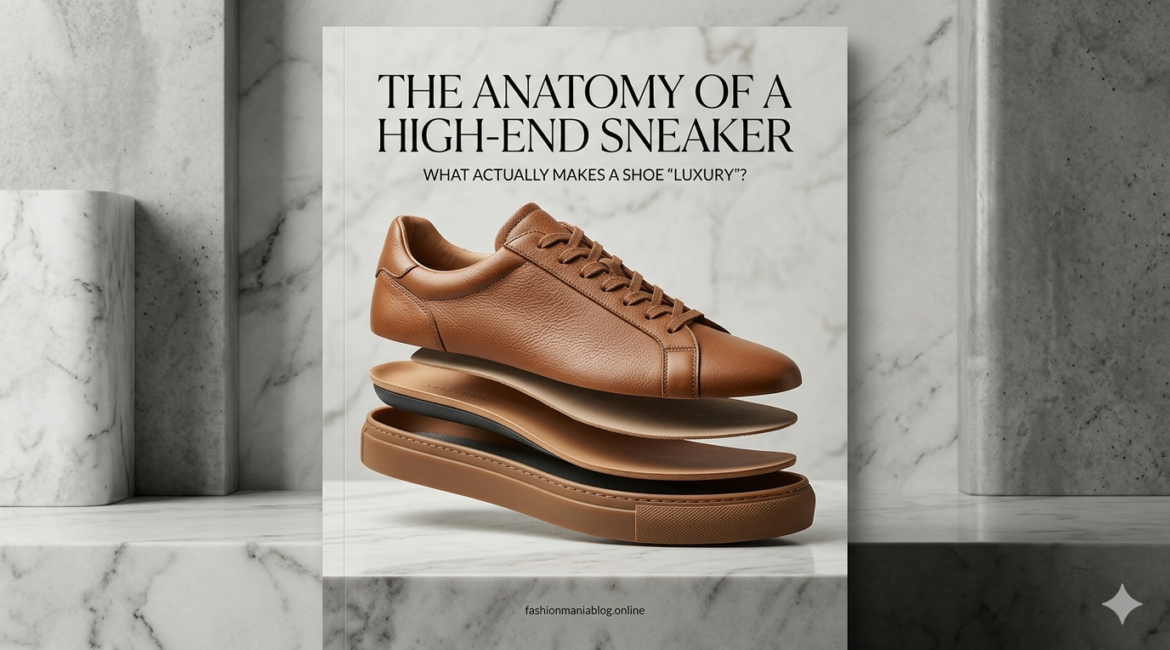
✨ The sneaker world has evolved far beyond the basketball courts of the 80s or the skate parks of the 90s. Today, sneakers are the new Swiss watches—a status symbol that combines engineering, art, and high finance. But as the market floods with “premium” labels, a crucial question arises: what are you actually paying for? 👟
When you invest $600 to $1,200 in a pair of high-end sneakers, you aren’t just buying a logo; you are acquiring a masterpiece of material science and artisanal heritage. Understanding the DNA of a luxury shoe transforms you from a casual consumer into a Smart Buyer. Whether you are eyeing the latest drops from Balenciaga or the timeless minimalism of Common Projects, knowing the difference between top-grain leather and cheap synthetics is the ultimate style flex. 💎
In this exhaustive guide, we will deconstruct the luxury sneaker from the inside out. We’ll explore the hidden world of Italian tanneries, the physics of Margom soles, and why the “Made in Italy” stamp still holds the crown in 2026. Get ready to dive deep into the world of modern American loungewear style and footwear excellence. 🖤
The Soul of the Shoe: Full-Grain vs. Top-Grain Leather 🐄
The most significant factor in a sneaker’s “luxury” status is the hide. Most commercial sneakers use “genuine leather,” which is a marketing term for the lowest grade of real leather, often sanded down and heavily spray-painted.
In contrast, high-end sneakers utilize Full-Grain Leather. This is the outermost layer of the hide, featuring the natural grain and all its original strength. It hasn’t been sanded or buffed, meaning it retains its breathability and develops a beautiful patina over time. 🌟 Moreover, luxury brands often source from Gold-Rated tanneries in Tuscany, ensuring that the chemicals used in the tanning process are eco-friendly and the leather remains supple for decades.
The Engineering of the Margom Sole 🧱
If the leather is the soul, the sole is the foundation. Most mass-market sneakers use glued-on rubber cups that crumble after a year of heavy use. Luxury sneakers, however, almost exclusively use Margom rubber soles.
Margom is an Italian manufacturer known for creating high-density, abrasion-resistant outsoles. These soles are not just glued; they are often sidewall stitched. This means the sole is physically sewn to the upper, making it nearly impossible for the shoe to “delaminate” or fall apart. When you walk in a luxury sneaker, the density of the rubber provides a specific “thud” rather than a “clack,” signifying high-quality material density. 👟🔥
Lining and Interior Comfort: The Hidden Luxury ☁️
Cheap sneakers use polyester mesh or foam linings that trap heat and cause odors. A true luxury sneaker is lined with soft calfskin or vachetta leather. 🧴
Calfskin lining is incredibly smooth, reducing friction and preventing blisters from day one. Additionally, leather is naturally antimicrobial and moisture-wicking. Therefore, your feet stay cool and dry even during long treks through the city. This internal attention to detail is what separates a $100 shoe from a $900 investment.
Construction Techniques: Cementing vs. Strobel Stitching 🧵
While the average consumer looks at the colorway, the expert looks at the seams. High-end sneakers often utilize Strobel construction, where the upper is stitched to a fabric bottom before being attached to the sole.
However, the pinnacle of luxury sneakers—like those found in luxury lounge sets USA collections—often features hand-painted edges. Every piece of leather is “skived” (thinned at the edges) so that when they are folded over, the seams remain flat and elegant rather than bulky. This technical depth ensures the silhouette remains sleek and sophisticated. 👗✨
The 2026 Shift: Bio-Materials and Tech-Infused Luxury 🌿
As we move through 2026, the definition of luxury is expanding to include sustainability. High-end brands are now experimenting with Mushroom Leather (Mycelium) and grape-skin polymers.
Unlike cheap plastic “vegan” leather, these bio-materials are engineered to mimic the cellular structure of animal hides. They offer the same tensile strength and breathability but with a significantly lower carbon footprint. Investing in tech-wear luxury means you are buying into the future of material science, not just a trend. 🚀
Celebrity Inspiration: Who is Setting the Standard? 🎤
From ASAP Rocky’s influence on technical footwear to Rihanna’s penchant for architectural heels and sneakers, celebrities are no longer just wearing shoes; they are co-designing them.
In 2026, the trend has shifted toward “quiet luxury” sneakers. You’ll see stars opting for unbranded, high-texture sneakers that pair perfectly with timeless fashion pieces. The focus is on the silhouette and the quality of the suede rather than a giant “Swoosh” or “Stripes.” This reflects a more mature, refined approach to streetwear culture. 🧥💎
Seasonal Versatility: Summer Linens to Winter suedes 🌤️❄️
A common mistake is wearing the same luxury sneakers year-round. High-end brands release seasonal variations for a reason. For summer, look for perforated calfskin or unlined suede which allows for maximum airflow.
In the winter, luxury sneakers often feature shearling linings or weatherized Scotchgard treatments on the suede. Consequently, your footwear remains a wardrobe essential regardless of the temperature. Knowing how to rotate your textures based on the climate is the hallmark of a true fashion journalist’s wardrobe. 🌸
The Art of the “Last”: Why Fit Matters 👣
In shoemaking, the “last” is the wooden or plastic mold that determines the shape of the shoe. Cheap brands use a generic last designed to fit “everyone” (and thus, no one perfectly).
Luxury brands develop proprietary lasts. This results in a narrower heel cup to prevent slipping and a more anatomical arch support. When you slip on a high-end sneaker, it should feel like a glove. If you find yourself needing bulky insoles, the “last” wasn’t designed with luxury ergonomics in mind. 📐
Maintenance: Preserving Your Investment 🧼
You wouldn’t drive a Ferrari and never change the oil. Similarly, luxury sneakers require a care regimen.
- Cedar Shoe Trees: These are non-negotiable. They absorb moisture and maintain the shape of the leather.
- Horsehair Brushes: Use these to remove dust after every wear to prevent micro-abrasions.
- Rotation: Never wear the same pair two days in a row; the leather needs 24 hours to fully dry from foot perspiration. 🧴✨
Common Fashion Mistakes with Luxury Sneakers ❌
The biggest mistake is “over-styling.” Because luxury sneakers have such high-quality textures, they should be the centerpiece of the outfit. Avoid wearing them with heavily distressed denim or overly loud patterns. Instead, pair them with clean lines, tailored trousers, or urban woman fashion 2026 staples to let the craftsmanship speak for itself. 🏙️
7 Trending Luxury Sneakers of 2026 👟🔥
- The Aero-Graph Tech-Runner. This shoe features a 3D-printed titanium mesh upper fused with bio-leather. It’s trending because it bridges the gap between high-performance athletics and gala-ready aesthetics. It’s perfect for the “Tech-Wealth” look of 2026. []
- The Tuscan Minimalist Low-Top is crafted from vegetable-tanned Vachetta leather that turns from a pale cream to a deep honey oak over time. Its appeal lies in the “living” nature of the material. []
- The Obsidian Suede Hiker A rugged luxury hybrid with a Vibram Arctic Grip sole and silk-infused suede. It’s the ultimate choice for the urban explorer who refuses to sacrifice style for utility. []
- The Liquid-Metal Slip-On: Using a revolutionary flexible metallic coating on goat leather, this shoe reflects light like chrome but moves like a second skin. A favorite for 2026 nightlife. []
- The Recycled Ocean-Plastic Court proves that luxury can be green. This sneaker uses ocean-bound plastic woven into a high-tensile fabric that rivals the durability of ballistic nylon, finished with hand-stitched leather accents. []
- The Architect Mid-Top features a “floating” heel design and carbon fiber shanks for weight reduction. It’s a marvel of structural engineering, making it a must-have for those in creative industries. []
- The Heritage Knit-Leather Hybrid A blend of traditional brogue detailing and modern Prime-knit technology. It represents the perfect “Office to Dinner” transition shoe for the modern professional. []
Step-by-Step Guide: How to Authenticate Quality 🛠️
If you are standing in a boutique, follow these steps to see if the shoe is truly “Luxury”:
- The Smell Test: Real, high-quality leather smells earthy and rich. If it smells like chemicals or glue, put it back.
- The Grain Check: Press your finger into the leather. If it creates tiny, natural wrinkles that disappear when you let go, it’s high-quality grain. If it feels like stiff plastic, it’s a coated split-grain.
- The Stitch Count: Look at the number of stitches per inch. High-end shoes have tight, consistent stitching (usually 8-10 stitches per inch).
- The Weight Balance: Pick the shoe up by the middle. It should feel balanced, not “bottom-heavy.”
Conclusion: Is the Investment Worth It? 💎
The anatomy of a high-end sneaker is a testament to the fact that quality is never an accident; it is always the result of high intention, sincere effort, and skillful execution. While the initial price tag might seem daunting, the longevity, comfort, and sheer aesthetic superiority of a well-crafted shoe make it a far more sustainable choice than replacing “fast fashion” sneakers every six months. 🌿
In 2026, being fashionable means being informed. By choosing sneakers with full-grain leather, Margom soles, and artisanal construction, you aren’t just following a trend—you are curating a legacy. Keep exploring the world of luxury lounge sets in the USA and stay ahead of the curve. Stay stylish, stay smart! ✨👟
FAQ Section ❓
Q: Why is “Made in Italy” so important for sneakers? A: Italy has a centuries-old infrastructure for leather tanning and artisanal cobbling. The level of hand-finishing and the quality of raw materials found in Italian factories are still considered the gold standard globally. 🇮🇹
Q: Can I wear luxury sneakers with a suit? A: Absolutely! The key is to choose a “clean” silhouette (like a minimalist low-top) in a neutral color. Ensure the sneakers are spotless; scuffed luxury shoes defeat the purpose of the formal-casual hybrid. 👔
Q: How long should a $500 sneaker last? A: With proper care (shoe trees, rotation, and cleaning), a high-end sneaker with a stitched sole can easily last 5 to 10 years, whereas a glued commercial sneaker usually dies within 1-2 years. ⏳
Q: Is “Vegan Leather” actually luxury? A: It depends. Cheap PVC is not a luxury. However, new bio-materials like Mycelium (mushroom) or apple leather are high-tech, durable, and increasingly used in high-end fashion due to their complex manufacturing process. 🍎
Q: Does a higher price always mean better leather? A: Not always. Sometimes you pay for the brand name or a specific designer’s hype. Always check the specs for “Full-Grain” and “Margom Soles” to ensure the technical value matches the price. 🧐
Q: How do I clean high-end suede without ruining it? A: Never use water! Use a suede eraser for stains and a brass-bristled brush to “wake up” the nap. For deep cleans, professional services are highly recommended for luxury pairs. 🧴
Q: Are chunky “Dad Shoes” still in for 2026? A: The trend has shifted toward more “sleek-technical” designs. While some oversized silhouettes remain, the focus is now on streamlined engineering and “slimmer” luxury profiles. 🚀
